


YouTube

FAX:
48189 Van Dyke Ave
Shelby Twp, MI 48317


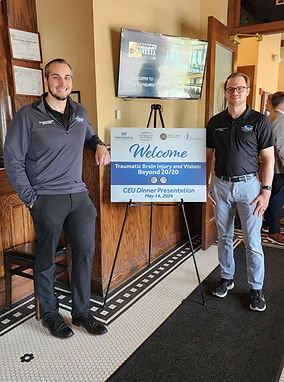


Traumatic Brain Injury
Traumatic brain injury or concussion can cause visual symptoms such as blurred or double vision, light sensitivity, balance problems, and visual field loss. Evidence-based vision therapy and neuro-optometric rehabilitation help restore visual function and improve daily performance.
Binocular Vision Dysfunction
Binocular vision dysfunction is an ocular condition that occurs when the eyes don’t align properly (e.g., strabismus or lazy eye or convergence insufficiency). Although our brains try to correct this misalignment, it isn’t without considerable effort and this results in a range of symptoms.
Reading and Learning
Reading and Learning difficulties may be associated with vision disorders. They can include double vision or poor tracking, focusing, eye teaming, or reading comprehension. It is important to rule out a vision disorder to determine if it is affecting reading and learning. These difficulties may often be found in children with dyslexia or ADD/ADHD, and even in patients misdiagnosed with disorders such as ADHD.
Adult Vision Therapy
Many people think that vision therapy is only for children. However, adults have as much need for specialized vision care as children. When people have trouble using both eyes together or can't focus for great lengths of time, they do not simply grow out of these problems. Children with visual problems often become adults with visual problems.
Tracking Difficulties & More
Eye tracking difficulties can affect both children and adults. Common signs include losing place while reading, skipping lines, reading slowly, making mistakes with words, and trouble copying from a board or page. Some people move their head or use a finger to follow along when reading. Poor tracking can also affect eye-hand coordination, making sports and everyday activities harder. Vision therapy can help strengthen tracking skills and improve visual comfort and performance.
Strabismus & Amblyopia
Strabismus, or crossed eyes, is the inability to point both eyes in the same direction at the same time. Strabismus may cause double vision. To avoid seeing double, vision in one eye may be ignored resulting in a lazy eye (amblyopia). Strabismus and or Amblyopia often develops in infants and young children, although it can occur in adults too.
See How Vision Therapy Is Changing Lives
Hear from Providers About Their Vision Therapy Experience

Tiffany Sinovic, Occupational Therapist
Occupational Therapy & Vision Therapy
This video highlights a trusted occupational therapist explaining the benefits of a multidisciplinary rehabilitation approach for improved patient outcomes.

Dr. Tatjana Ratzenberger, Optometrist
Optometrist & Vision Therapy
In this video, a local optometrist shares why they confidently refer patients for vision therapy at Great Lakes Vision Rehabilitation.

Dr. Erlandson, PM&R
PM&R & Vision Therapy
A PM&R physician explains how vision therapy and neuro-optometric rehabilitation play a key role in improving recovery and functional outcomes.